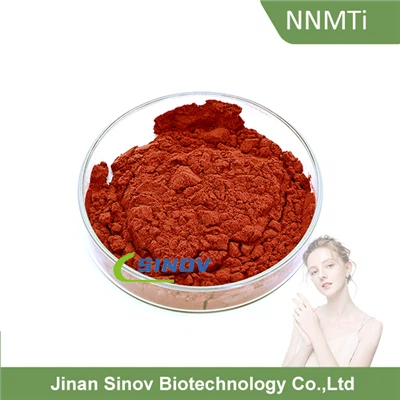
What Is Spermidine?
The natural polyamine(Spermidine) content present in organisms and cells is influenced by factors such as age and cell type, offering numerous benefits for human health and longevity. How can polyamine levels be increased? They can be obtained through dietary sources such as foods and fruits.
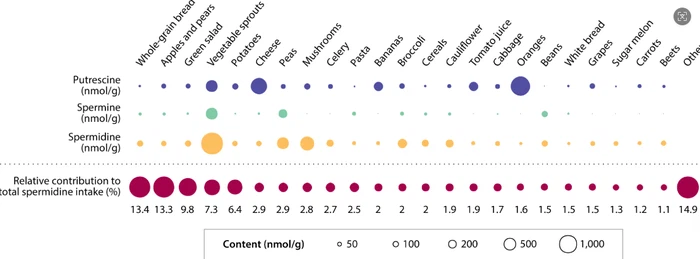
When comparing spermidine content across major categories, significant variations exist among fungi, animals, and food sources.
In plants and fungi, spermidine levels are relatively higher compared to other sources; however, in animal-derived foods, spermidine content is typically much lower than in plant-based sources.
Within animal tissues, spermidine is concentrated in organs such as the liver and kidneys. Published reports indicate that average concentrations in bovine liver may reach up to 0.161 mg/g. However, regional variations and differences in measurement methods result in inconsistent reported concentrations. concentrations reported across different regions vary considerably. For instance, in some areas, spermidine levels in bovine liver range from 0.0068 to 0.390 mg/g.
What Does Spermidine Do?
Spermidine shares similar effects with ingredients like omega-3 fish oil, alpha-lipoic acid, and ginkgo biloba in certain functions, offering significant benefits for neuroprotection and other areas.
1. As a natural compound, spermidine plays a crucial role in cellular processes such as proliferation and growth.
2. It exhibits antioxidant effects on damaged and aging cells.
3. Some research suggests spermidine may promote extended female fertility by potentially improving ovarian function.
4. Speridine may hold potential for delaying aging or extending lifespan, though further validation is required.
5. Speridine acts like a vacuum cleaner for skin, offering significant benefits in skincare and beauty.
6. It improves metabolic function, demonstrating some efficacy in alleviating obesity-related conditions.


We are a production factory of amino-diamine raw material powder in China. We export various specifications of bulk amino-diamine powder and its derivative products. We also accept customized products of amino-diamine.
If you need it,pls contact us: sinov@pharmachemm.com
Reference:
Atiya Ali M, Poortvliet E, Strömberg R, Yngve A 2011. Polyamines in foods: development of a food database. Food Nutr. Res. 2011:55
Kalač P. 2009. Recent advances in the research on biological roles of dietary polyamines in man. J. Appl. Biomed. 7:65–74
Kalač P, Krausová P. 2005. A review of dietary polyamines: formation, implications for growth and health and occurrence in foods. Food Chem 90:1–2219–30
Disclaimer:
All information provided on this website is for reference and study only, no medical advice, not for diagnosis, treatment of disease.