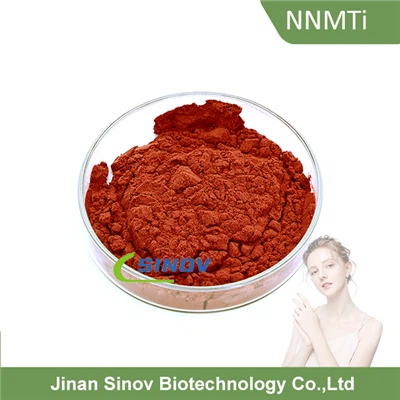
The search for healthy aging solutions has expanded far beyond traditional vitamins and antioxidants. Today, two ingredients frequently appear in discussions about longevity science: Spermidine and NMN (Nicotinamide Mononucleotide).

What Is Spermidine?
Spermidine is a naturally occurring polyamine found in living organisms and a variety of foods, including wheat germ, soybeans, mushrooms, and aged cheese.Within cells, spermidine participates in several biological processes related to growth, protein synthesis, gene regulation, and cellular maintenance. It is also present in virtually all living cells, reflecting its importance in normal cellular function.
What Is NMN?
NMN, or Nicotinamide Mononucleotide, is a naturally occurring nucleotide and a direct precursor of NAD+ (Nicotinamide Adenine Dinucleotide).NAD+ is involved in numerous cellular processes related to energy metabolism. It participates in mitochondrial function, cellular signaling pathways, and various enzymatic reactions required for normal cellular activity.Because NMN serves as a precursor to NAD+, it is frequently included in nutritional products focused on cellular energy and metabolic support.
Why Are Spermidine and NMN Often Compared?
Spermidine and NMN are often grouped together because both are associated with cellular health and healthy aging.However, their biological roles are fundamentally different.Spermidine is most closely associated with cellular maintenance and recycling mechanisms, while NMN participates in pathways related to NAD+ production and energy metabolism.
Rather than addressing the same biological process, they influence different aspects of cellular function.
Spermidine and Autophagy: A Cellular Recycling Process
One of the biological processes most frequently associated with spermidine is autophagy.
Autophagy is a natural intracellular recycling mechanism that helps cells maintain a balanced internal environment. During this process, damaged proteins, dysfunctional mitochondria, and other unnecessary cellular materials are identified and enclosed within specialized membrane structures called autophagosomes.The autophagosomes then fuse with lysosomes, where the enclosed materials are broken down into smaller components. These recycled building blocks can subsequently be reused for cellular activities.
Autophagy is often described as a cellular quality-control system because it helps remove unwanted cellular components while supporting normal cellular renewal.Because of its association with autophagy, spermidine is commonly discussed in research involving cellular maintenance, metabolic regulation, and healthy aging.
NMN and NAD+: Supporting Cellular Energy Metabolism
NMN works through a different biological pathway. After entering the body, NMN can be converted into NAD+, a coenzyme involved in hundreds of metabolic reactions.NAD+ plays an important role in cellular energy production by participating in processes that help convert nutrients into usable energy. It is also involved in mitochondrial function, DNA maintenance mechanisms, and cellular signaling pathways.Since NAD+ availability influences numerous cellular activities, NMN is primarily discussed in relation to energy metabolism and cellular function.
In simple terms, spermidine is often associated with cellular recycling, whereas NMN is more closely related to cellular energy production.
Spermidine vs NMN for Cellular Health
Cellular health depends on multiple biological systems working together. Cells require energy to carry out daily functions, but they also need efficient maintenance mechanisms capable of removing damaged cellular components. This distinction highlights the different roles of spermidine and NMN.
Spermidine is primarily associated with cellular housekeeping processes that help maintain cellular quality and internal balance.NMN is more closely linked to the production of NAD+, which supports energy metabolism and mitochondrial activity.
Because these pathways serve different functions, spermidine and NMN are often viewed as complementary components within broader cellular health strategies.
Common Supplement Forms and Market Applications
Both ingredients are widely available in the nutrition and wellness sectors.

Spermidine products commonly include:
Cellular maintenance
Autophagy-related nutrition concepts
Healthy-aging support
Cellular wellness formulations
Longevity-focused dietary supplements
NMN products commonly include:
NMN powder
β-Nicotinamide Mononucleotide
Capsules and tablets
Longevity-focused nutritional products

In the raw material market, both compounds are frequently supplied as high-purity raw material and bulk powder for dietary supplement and research applications.
Can Spermidine and NMN Be Used Together?
Because spermidine and NMN influence different biological pathways, they are often included together in longevity-oriented formulations.One is associated with autophagy and cellular renewal, while the other participates in NAD+-related energy metabolism.Their mechanisms do not directly overlap, which allows them to occupy different positions within broader cellular health and healthy-aging formulations.
Where To Buy High Quality Spermidine And NMN Powder?
Choosing a reliable supplier is essential when sourcing Spermidine and NMN powder. Product purity, batch consistency, quality documentation, and supply stability are all important factors to consider.
Jinan Sinov Biotechnology Co., Ltd. specializes in the production and supply of high-quality raw materials for the nutraceutical, pharmaceutical, and cosmetic industries. We offer competitive pricing, strict quality control, bulk supply, and OEM services to support your business needs. If you are looking for spermidine and NMN powder, Sinov Biotechnology is your reliable choice. sinov@pharmachemm.com


References and Supporting Sources
[1] Smith MA. (2025). NAD+ vs. Spermidine: Which Is Better for Longevity? Life Extension.
[2] Just Glow. (2024). Spermidine 3HCl vs. Spermidine vs. Spermidine Trihydrochloride: Key Differences Explained. Just Glow.
[3] Meissner M. (2025). What Does NMN (nicotinamide Mononucleotide) Do and How to Get It? Healthline.
[4] Yidan Sun, June-Chiew Han, Kenneth Tran, Toan Pham, Qiang Zhou, Jun Lu. (2026). An integrated anti-aging framework targeting NAD+ homeostasis, mitochondrial quality control, and redox stability: Roles of NMN/NR, PQQ, and EGT. Redox Biology.