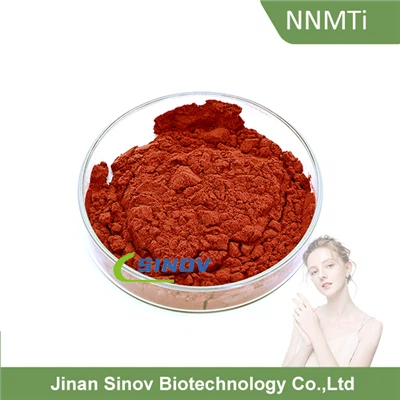
Shiitake mushroom extract is a natural ingredient widely used in the development of dietary supplements, functional foods, and pharmaceutical formulations. It is derived from Lentinula edodes and contains a broad spectrum of bioactive compounds, making it suitable for immune support, metabolic health, and general wellness applications.

Composition properties
Shiitake mushroom extract contains multiple active constituents that contribute to its functional value in formulation development.
1. Polysaccharides
Polysaccharides, particularly β-glucan-type structures, represent the primary bioactive fraction of shiitake extract. These compounds are typically extracted from fruiting bodies and exhibit high molecular weight distribution ranging from thousands to several million Daltons.
Protein fractions include albumin- and globulin-like components, with a well-balanced amino acid profile containing all essential amino acids.
2. Natural Sterols
Shiitake extract is a natural source of ergosterol, a precursor of vitamin D2. Under UV exposure, ergosterol can be converted into biologically active vitamin D compounds, supporting its use in functional nutrition formulations.
3. Lipid Fraction and Fatty Acids
The lipid component consists mainly of unsaturated fatty acids, particularly linoleic acid and oleic acid. This lipid profile contributes to the nutritional and metabolic positioning of the ingredient in health formulations.

4. Polyphenolic Compounds
Polyphenols are present in measurable amounts and contribute to the antioxidant capacity of the extract. These compounds are commonly associated with oxidative balance in functional nutrition systems.
5. Nucleotide and Bioactive Compounds
Shiitake mushroom extract contains nucleotide-related compounds including cAMP, cGMP, and cCMP, as well as characteristic purine derivatives specific to Lentinula edodes.
6. Micronutrient Content
he extract naturally contains B vitamins (B1, B2, niacin) and essential minerals such as calcium, phosphorus, and iron, supporting its nutritional positioning.
Functional Applications in Formulation
1. Immune Support Formulations
Shiitake polysaccharides are widely incorporated into immune-focused supplement systems. They are used in products designed to support immune cell activity and overall immune balance.
2. Antioxidant and Anti-Aging Systems
The extract provides natural antioxidant activity through its polyphenol and polysaccharide content, making it suitable for formulations targeting oxidative stress and healthy aging.
3. Cardiovascular and Metabolic Health Products
Sterols and nucleotide compounds support its use in lipid metabolism and cardiovascular health formulations, including products targeting cholesterol management and circulatory wellness.
4. General Wellness and Functional Nutrition
Shiitake mushroom extract is also widely used in daily wellness supplements, functional foods, and preventive nutrition products.
Conclusion
Shiitake mushroom extract offers a well-characterized profile of polysaccharides, sterols, fatty acids, nucleotides, vitamins, and minerals. Its multifunctional composition supports a wide range of applications in dietary supplements and functional nutrition systems, particularly in immune health, antioxidant support, and metabolic wellness formulations.
References and Supporting Sources
[1] Jennings, K.-A. (2023). Why Shiitake Mushrooms Are Good For You. Healthline.
https://www.healthline.com/nutrition/shiitake-mushrooms
[2] RxList. (2026). Shiitake Mushroom: Uses, Side Effects, and Dosage. RxList. https://www.rxlist.com/supplements/shiitake_mushroom.htm